
Co-Living Spaces on the Rise
Category: market-trends |
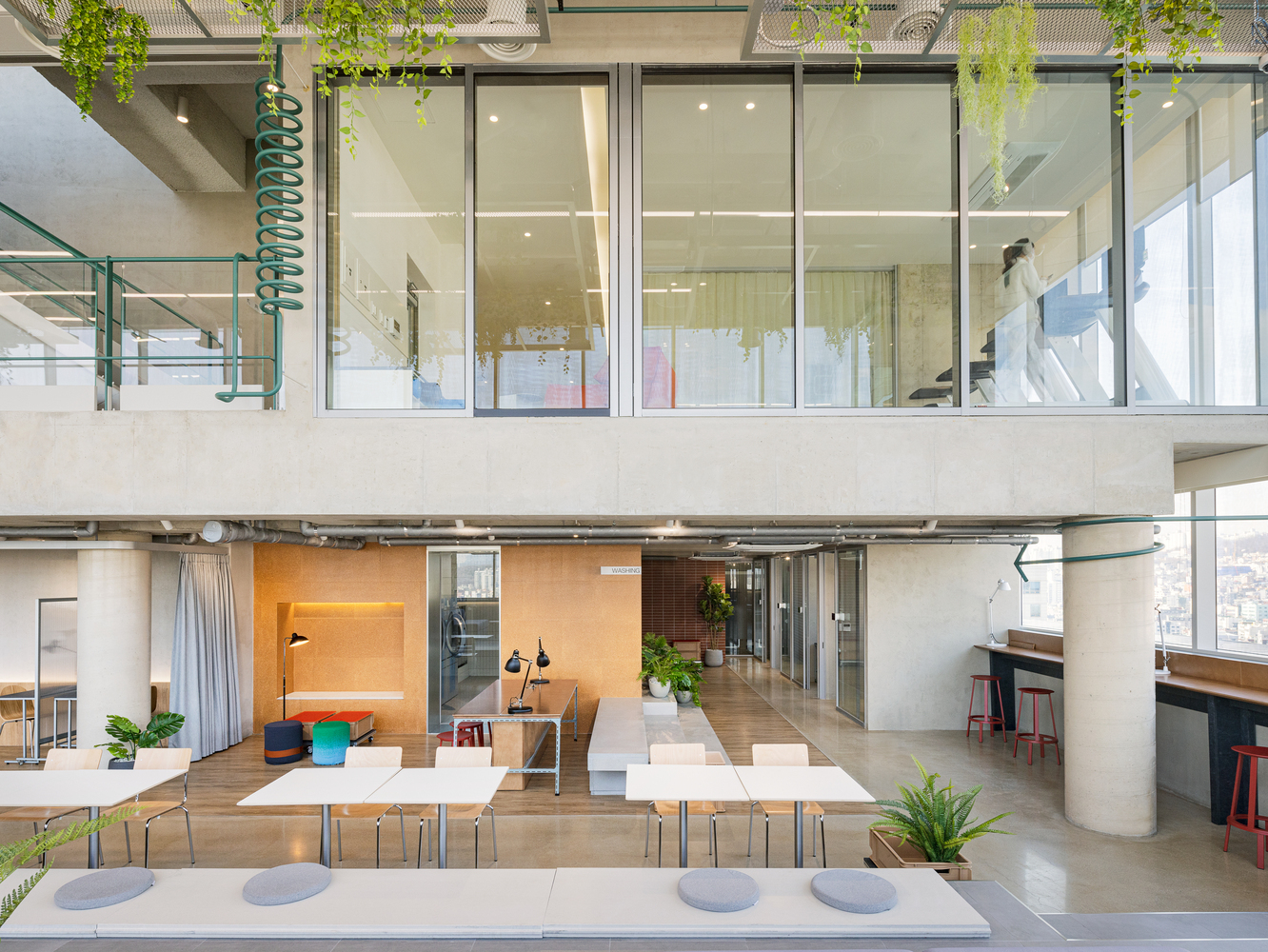
Ahmedabad’s real estate landscape is rapidly evolving, and one of the most significant emerging trends is the rise of co-living spaces. Traditionally, individuals seeking rental accommodations had to navigate through brokers, lengthy lease agreements, and high security deposits. However, co-living is transforming the way people live by offering fully furnished, community-driven housing solutions with flexible rental terms. This shift is particularly beneficial for students, young professionals, and digital nomads who prioritize convenience, affordability, and social engagement.
📈 The Growth of Co-Living in India
In India, co-living has gained significant traction due to urban migration, rising housing costs, and the demand for flexible living arrangements. As of 2025, India's organized co-living inventory stands at approximately 300,000 beds. This number is projected to triple to nearly 1 million beds by 2030, reflecting a substantial shift in urban housing preferences.
The market, valued at INR 40 billion in 2025, is expected to quintuple to INR 206 billion by 2030
This growth is fueled by investments from major players like Bain Capital and Sattva Group, who have launched a $100 million co-living platform targeting major Indian cities.
Benefits of Co-Living
Affordability: Sharing living expenses reduces individual costs, making urban living more accessible.
Flexibility: Short-term leases and furnished spaces offer convenience for transient residents.
Community: Shared spaces encourage social interaction and a sense of belonging.
Convenience: Amenities like housekeeping and maintenance are often included, easing daily responsibilities.
🔮 The Future of Co-Living
The co-living sector is poised for continued growth, driven by urbanization, evolving lifestyle preferences, and the need for affordable housing solutions. As cities expand and housing demands increase, co-living presents a viable alternative to traditional housing models.
📈 The Growth of Co-Living in India
In India, co-living has gained significant traction due to urban migration, rising housing costs, and the demand for flexible living arrangements. As of 2025, India's organized co-living inventory stands at approximately 300,000 beds. This number is projected to triple to nearly 1 million beds by 2030, reflecting a substantial shift in urban housing preferences.
The market, valued at INR 40 billion in 2025, is expected to quintuple to INR 206 billion by 2030
This growth is fueled by investments from major players like Bain Capital and Sattva Group, who have launched a $100 million co-living platform targeting major Indian cities.
Benefits of Co-Living
Affordability: Sharing living expenses reduces individual costs, making urban living more accessible.
Flexibility: Short-term leases and furnished spaces offer convenience for transient residents.
Community: Shared spaces encourage social interaction and a sense of belonging.
Convenience: Amenities like housekeeping and maintenance are often included, easing daily responsibilities.
🔮 The Future of Co-Living
The co-living sector is poised for continued growth, driven by urbanization, evolving lifestyle preferences, and the need for affordable housing solutions. As cities expand and housing demands increase, co-living presents a viable alternative to traditional housing models.