
Maintaining Your Home’s Electrical Systems
Category: home-maintenance |
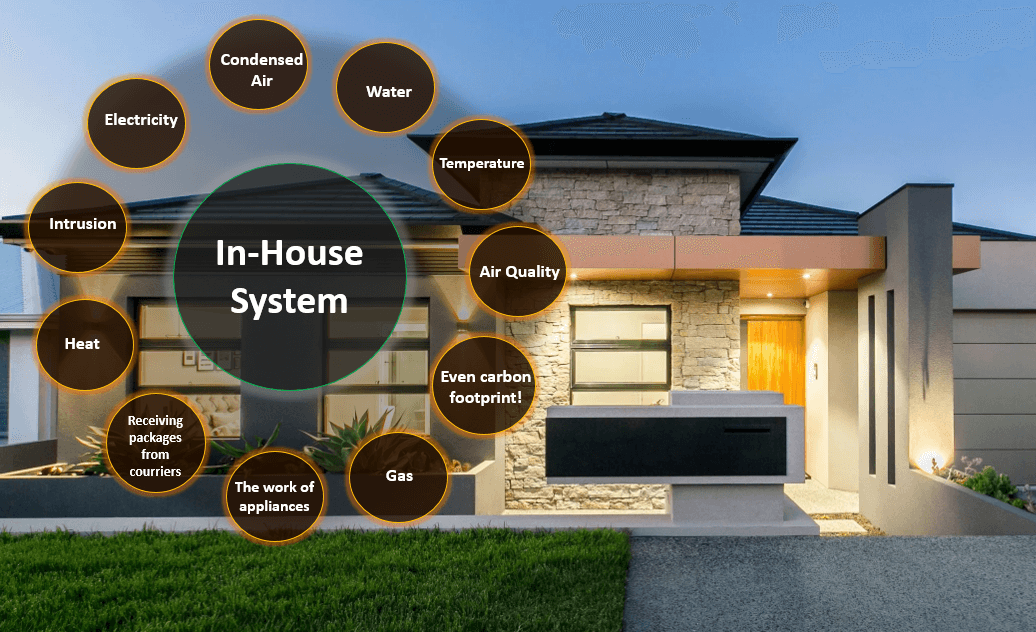
Your home’s electrical systems serve a critical function – literally powering everything from your toaster to your garage door – but too often we simply wait for things to go wrong. Just like your HVAC system should be serviced regularly to prevent problems from occurring, preventative maintenance is essential for your electrical equipment too!
1. Regular Inspections
Routine inspections are crucial for identifying potential issues before they become major problems. Check for:
Frayed or damaged wires: Exposed wiring can be a fire hazard. Replace any worn-out cords immediately.
Loose outlets or switches: Loose connections can cause sparks or short circuits.
Flickering lights: This may indicate a loose connection or overloaded circuit.
Professional inspections every few years are recommended, especially in older homes.
2. Maintain Circuit Breakers and Panels
Your electrical panel is the heart of your home’s system. To maintain it:
Ensure the panel is easily accessible and not blocked by furniture or storage.
Label each breaker clearly so you know which circuits control which areas.
Test breakers periodically by switching them on and off. If a breaker trips frequently, have an electrician evaluate it.
3. Avoid Overloading Circuits
Overloading a circuit can lead to blown fuses or even fires. Tips to prevent overload:
Distribute electrical load across multiple outlets.
Avoid using multiple high-wattage devices on a single outlet.
Consider installing additional outlets if needed.
4. Use Electrical Devices Safely
Proper use of devices reduces the risk of electrical problems:
Always follow manufacturer instructions for appliances.
Unplug devices when not in use to save energy and reduce wear on wiring.
Avoid running cords under rugs or furniture, which can cause heat buildup and damage.
5. Upgrade Old Wiring
Older homes may have outdated wiring that cannot handle modern electrical demands. Signs that you may need an upgrade include:
Frequent tripped breakers
Dimming lights when appliances run
Outdated two-prong outlets
Hiring a licensed electrician for rewiring or upgrading outlets can enhance safety and efficiency.
6. Install Safety Devices
Safety devices provide extra protection for your home:
Surge protectors safeguard electronics from voltage spikes.
Ground Fault Circuit Interrupters (GFCIs) prevent electrocution in wet areas like bathrooms and kitchens.
Arc Fault Circuit Interrupters (AFCIs) reduce the risk of fires caused by electrical arcs.
7. Keep Records and Plan Maintenance
Maintain a log of inspections, repairs, and upgrades. Planning periodic maintenance helps you:
Track electrical work history
Stay ahead of potential problems
Budget for future upgrades
1. Regular Inspections
Routine inspections are crucial for identifying potential issues before they become major problems. Check for:
Frayed or damaged wires: Exposed wiring can be a fire hazard. Replace any worn-out cords immediately.
Loose outlets or switches: Loose connections can cause sparks or short circuits.
Flickering lights: This may indicate a loose connection or overloaded circuit.
Professional inspections every few years are recommended, especially in older homes.
2. Maintain Circuit Breakers and Panels
Your electrical panel is the heart of your home’s system. To maintain it:
Ensure the panel is easily accessible and not blocked by furniture or storage.
Label each breaker clearly so you know which circuits control which areas.
Test breakers periodically by switching them on and off. If a breaker trips frequently, have an electrician evaluate it.
3. Avoid Overloading Circuits
Overloading a circuit can lead to blown fuses or even fires. Tips to prevent overload:
Distribute electrical load across multiple outlets.
Avoid using multiple high-wattage devices on a single outlet.
Consider installing additional outlets if needed.
4. Use Electrical Devices Safely
Proper use of devices reduces the risk of electrical problems:
Always follow manufacturer instructions for appliances.
Unplug devices when not in use to save energy and reduce wear on wiring.
Avoid running cords under rugs or furniture, which can cause heat buildup and damage.
5. Upgrade Old Wiring
Older homes may have outdated wiring that cannot handle modern electrical demands. Signs that you may need an upgrade include:
Frequent tripped breakers
Dimming lights when appliances run
Outdated two-prong outlets
Hiring a licensed electrician for rewiring or upgrading outlets can enhance safety and efficiency.
6. Install Safety Devices
Safety devices provide extra protection for your home:
Surge protectors safeguard electronics from voltage spikes.
Ground Fault Circuit Interrupters (GFCIs) prevent electrocution in wet areas like bathrooms and kitchens.
Arc Fault Circuit Interrupters (AFCIs) reduce the risk of fires caused by electrical arcs.
7. Keep Records and Plan Maintenance
Maintain a log of inspections, repairs, and upgrades. Planning periodic maintenance helps you:
Track electrical work history
Stay ahead of potential problems
Budget for future upgrades